
The central finding
China's inbound tourism recovery was not one national market moving at one speed. Foreign visitor growth was stronger than the total inbound headline, and the country's largest gateways served materially different visitor mixes.
The practical implication is simple: an overseas tourism campaign should not begin with “China” as one destination and a global source-market ranking. It should begin with the visitor definition, the likely gateway city and the transport capacity that connects the source market to that destination.
What the evidence changes
1. The national headline hides the audience that overseas marketing can reach.
China recorded 154.50 million inbound visitors in 2025, including visitors from Hong Kong, Macao and Taiwan. Foreign visitors were a smaller 35.17 million group but grew 30.6%, compared with 17.1% for the total inbound measure. A marketing opportunity sized from the blended headline understates the growth of the foreign-visitor segment.
2. Gateway cities are different markets.
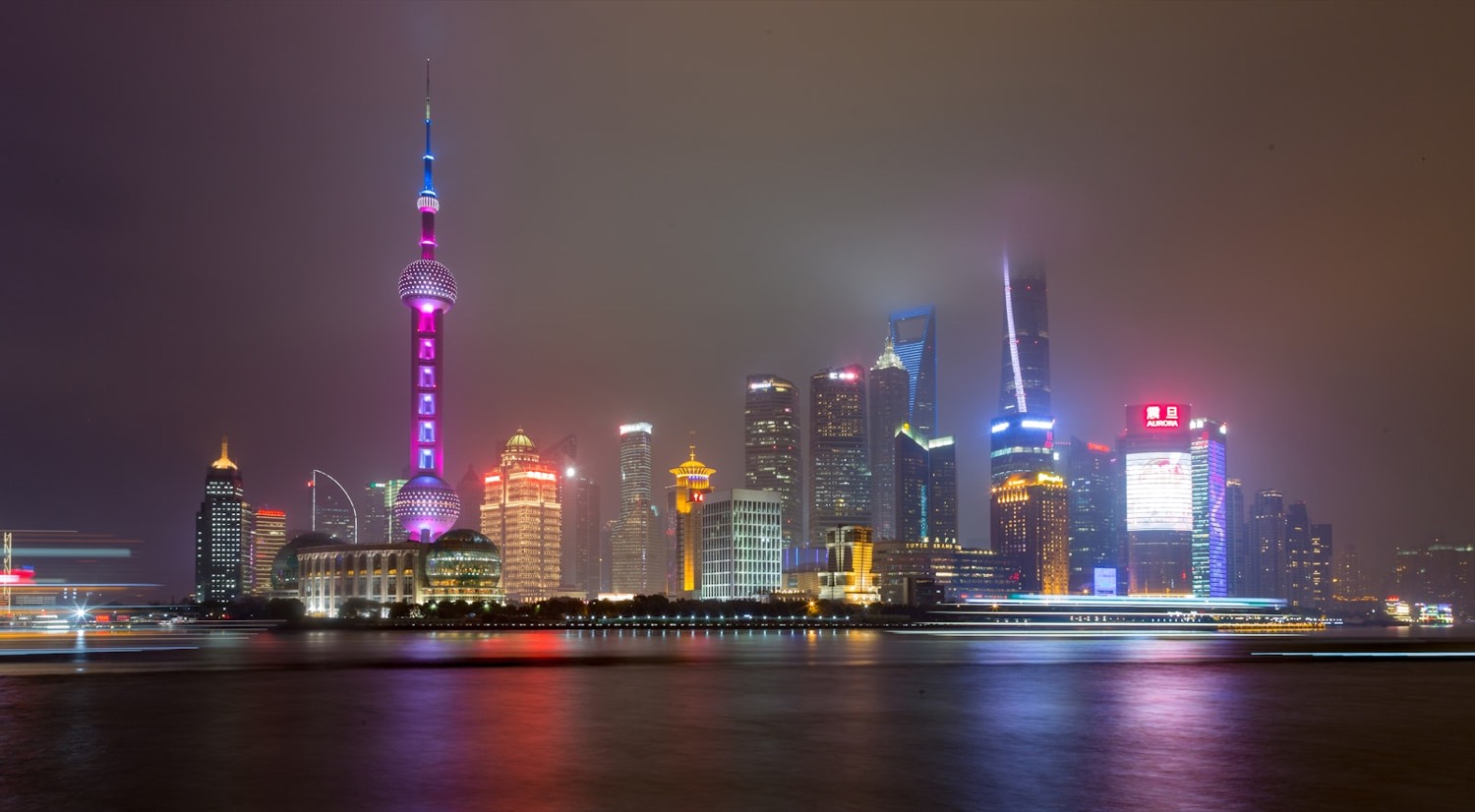
Shanghai reported 7.139 million foreign visitors, Beijing 4.557 million and Guangzhou 2.600 million. Together they accounted for a calculated 40.7% of the national foreign-visitor total. Shanghai's largest reported source market was South Korea; Beijing's disclosed mix was more distributed across Russia, South Korea, Australia and European markets.
3. Visa access reduces friction, but capacity can still stop conversion.
Visa-free entries accounted for 73.1% of inbound foreign nationals in 2025, while international flights had recovered to more than 90% of 2019 levels. Demand and supply were not moving in perfect alignment. A campaign can generate intent that fails at the itinerary stage if the source market lacks practical air access.
Magic Insight judgement
Choose the source market and the destination gateway together. Then check flight supply before scaling demand. Population or outbound-market size alone is not a sufficient media-planning input.
Three marketing implications
- Plan by gateway, not by country alone. The content proposition for Shanghai from South Korea is not the same as the proposition for Beijing from a long-haul European market.
- Look beyond the largest mature markets. Beijing data showed strong 2025 growth from Spain, Canada, Italy and Australia, but those figures are city-level signals—not a national source-market ranking.
- Build native-language supply. Growth in selected Spanish-, Italian- and French-speaking markets suggests an opportunity for original local-language content rather than English material translated at the end.
Evidence boundary
The report does not claim that Beijing's country mix represents all of China. Beijing accounted for 13.0% of national foreign visitors, and complete country-level tables were not obtained for Shanghai, Guangzhou or the nation as a whole. Beijing's figures are useful long-haul market signals, not a national ranking.
The three city datasets may also use different counting definitions. Cross-city comparisons are used for structural orientation, not precise performance ranking. The report did not include live search volume, CPC, social channel share or country-level seat-capacity data.
Selected primary and authoritative sources
- 2025 Culture and Tourism Development Statistical Bulletin — national inbound figures
- National Immigration Administration — 2025 entry and visa-free figures
- Beijing Municipal Bureau of Culture and Tourism — 2025 inbound visitor table
- Xinhua citing Shanghai tourism authorities — 2025 gateway figures
- Guangzhou Statistical Bulletin — 2025 inbound visitor figures
Full report · Chinese version
The complete report includes national definitions, gateway-city comparisons, Beijing's country table, visa and flight context, marketing judgements, open questions and the detailed source ledger.
Download the Chinese version ↓English version coming soon